
If a safari operator treats safety like a boring checkbox, walk away.
Because the wild doesn’t forgive wishful thinking.
The best escorted safaris don’t feel “sanitized.” They feel calmly controlled, the kind of control that lets you watch a leopard hunt without a vehicle pile-up, or sit quietly at a watering hole long enough for the herd to stop clocking you as a threat. You’re not there to collect sightings like trading cards. You’re there to be present in a working ecosystem and leave it intact.
The deal: safety is what makes authenticity possible
Here’s the thing, most “inauthentic” safari moments aren’t fake animals or staged scenes. They’re rushed driving, noisy groups, pressure to perform, and guides forced to chase radio calls because the itinerary is too tight.
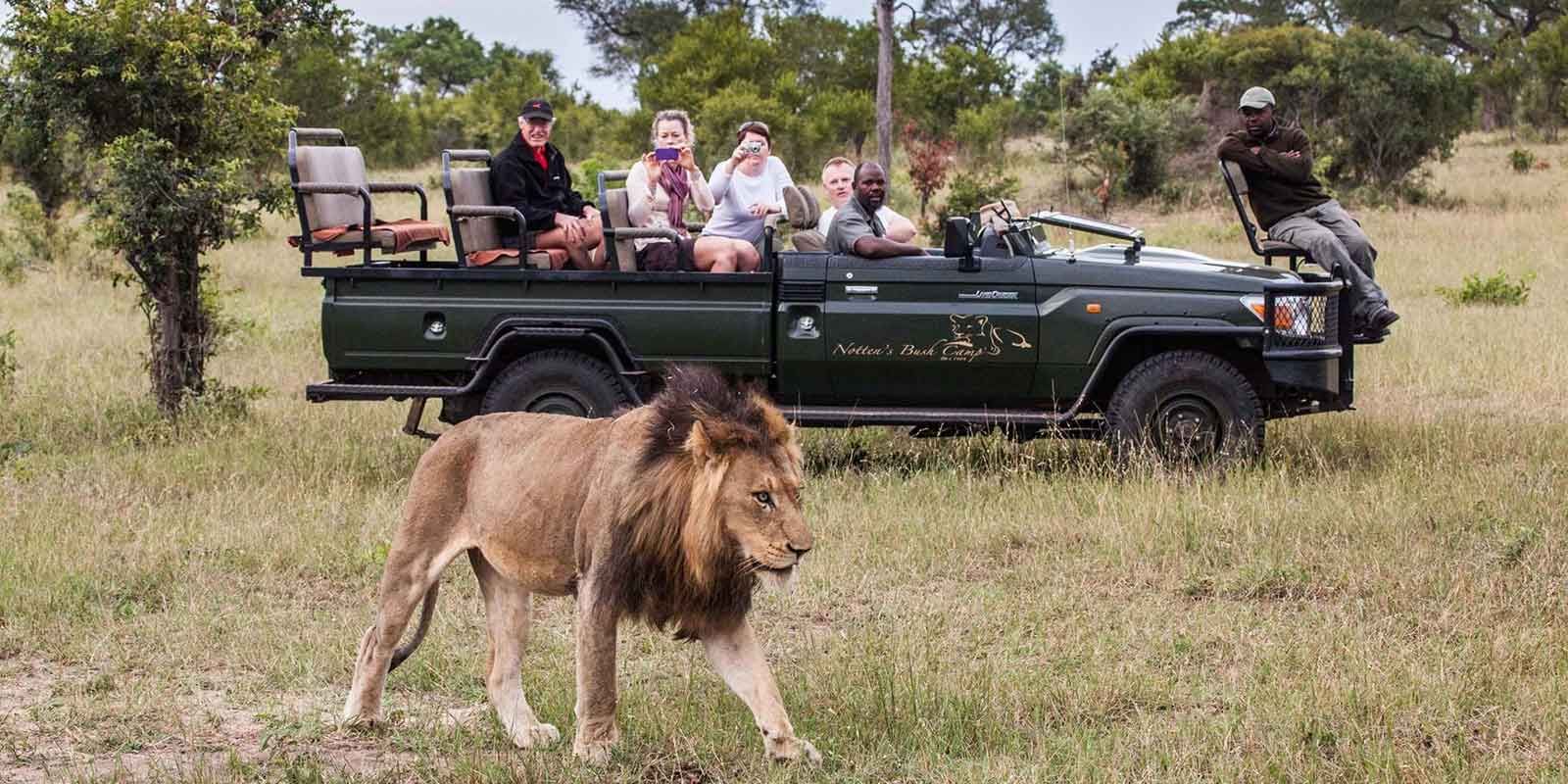
A safety-forward safari does the opposite. It builds predictable patterns: briefings, spacing rules, and conservative decision-making when animal behavior shifts. That’s why well-planned escorted African adventure safaris can feel more genuine, not less. And ironically, that’s what creates the magic. Animals behave more naturally when they aren’t being crowded, cut off, or startled by engines and shouting.
One-line truth: A calm vehicle gets better sightings than an aggressive one.
The guides make or break it (and I’m opinionated about this)
I’d take a top-tier guide in a basic vehicle over a luxury lodge with a mediocre guide every time.
Good guides do three jobs at once:
1) keep you alive,
2) keep wildlife unbothered,
3) translate what you’re seeing into something meaningful.
That translation part is underrated. When a guide explains why a zebra is snorting, why the birds just went quiet, why elephants are “pretending” not to notice you, suddenly you’re in the story instead of just looking at it.
In my experience, the best ones aren’t the loudest. They’re the ones who pause mid-sentence because they heard a twig snap 40 meters away.
A quick specialist briefing: what “safe” actually looks like on game drives
Not vibes. Systems.
A professionally run escorted safari typically has:
– Distance discipline: stopping at sensible ranges, not creeping until the animal flinches
– Vehicle positioning: angled exits, engines off when appropriate, no boxing-in behavior
– Radio etiquette: useful comms, not a circus of coordinates shouted across the park
– Route logic: wind direction, terrain risk, known hotspots for aggressive behavior (especially around kills)
– Behavioral thresholds: guides know when an ear flick becomes irritation, when mock charges stop being mock
Now, this won’t apply to everyone, but if you’re someone who wants “closer, closer, closer,” an ethical operator may frustrate you. That frustration is a sign you picked the right operator.
One stat, because data matters sometimes
Fatal wildlife incidents on safari are rare, but they’re not imaginary, and they cluster around rule-breaking: getting out of vehicles, walking unguided, night driving without controls, and intoxication.
A useful benchmark when you’re vetting an operator is how they handle emergencies. For example, the African Field Epidemiology Network and WHO both emphasize response-time planning and medical referral pathways as core components of remote-risk management (not safari-specific, but the same logic applies in the bush). Source: World Health Organization (WHO) emergency care systems frameworks: https://www.who.int/health-topics/emergency-care
Translation: if they can’t clearly explain evacuation logistics, comms coverage, and nearest definitive care, you’re gambling.
Vet-driven itineraries: smart idea, but don’t romanticize it
“Vet-led” or “vet-informed” safari planning can be excellent, especially in areas where disease pressure, drought stress, or human-wildlife conflict changes animal behavior.
But I’ve also seen it used as marketing glitter.
What a real vet-informed itinerary might include:
– avoiding sensitive wildlife zones during stress periods (calving, denning, extreme heat)
– stricter distancing around visibly compromised animals
– decisions shaped by welfare, not guest adrenaline
What it shouldn’t be: someone name-dropping “veterinary expertise” while still chasing animals too hard for photos.
Ask who the vet is, what their role is, and how often guidance is updated.
Treetop lodges & fancy camps: the safety details people skip
Treetop lodges are stunning. Also, they add risk variables: height, railings, nighttime movement, animals moving underneath, and guest complacency (that last one is the sneaky problem).
A well-run lodge will be almost boring about certain things:
– escorted walking after dark
– clear “no leaning / no reaching” rules at platforms
– controlled access points and staff stationed where animals can pass through
If you hear “you can wander around freely at night, it’s totally safe,” that’s not freedom. That’s an operator outsourcing risk to luck.
Authentic wildlife encounters aren’t “guaranteed”, but they can be earned
No ethical guide guarantees the Big Five on a schedule. They can, however, stack the odds with experience and restraint.
The most authentic moments tend to come from:
– dawn drives that prioritize light and animal routines, not breakfast buffets
– quiet waiting (yes, waiting) at water and crossing points
– leaving a crowded sighting and finding your own story elsewhere
Look, I love a dramatic lion sighting as much as anyone. But some of the best safaris I’ve seen were built on “smaller” things: hyena politics, oxpecker behavior, a herd’s shifting geometry when a predator is nearby. That’s not filler. That’s ecology.
Cultural connections: if it feels like a performance, you’re doing it wrong
Good cultural visits have consent, boundaries, and actual exchange. Not a human zoo vibe.
Ask practical questions:
– Who sets the agenda, the community or the operator?
– Where does the money go (and can they explain it without squirming)?
– Are photos optional and explicitly consent-based?
– Is there any long-term partnership (schools, clinics, conservation jobs), or is it a one-off stop?
A respectful cultural interaction can be as simple as tea and conversation with a local guide’s family, if it’s invited and compensated fairly. The point isn’t access. It’s dignity.
Risk-aware itinerary planning (the part people pretend they’ll do later)
Build your safari like you’d build a bridge: with tolerance for stress.
A few buffers that change everything:
– an extra night at the start (missed connections happen constantly)
– flexible drives rather than minute-by-minute schedules
– clear alternates if a road washes out or a park restricts access
– travel insurance that actually covers medical evacuation and remote-area transport (read the exclusions, don’t guess)
One-line paragraph, because it deserves it:
Brittle itineraries break.
How to vet an escorted safari without getting snowed
If you only ask one question, make it this: “Walk me through what happens if something goes wrong.”
Then listen for specifics. Not reassurances.
A decent operator can tell you:
– guide qualifications and how they’re evaluated
– vehicle maintenance standards and replacement cycles
– radio coverage and backup comms
– nearest airstrip, medevac provider, and typical response times
– incident reporting process (yes, there should be one)
And if they can’t? That’s your answer.
Picking the “right” safari is really picking your values
Some travelers want density: predator-chasing, constant motion, maximum sightings per day. Others want immersion: longer stops, fewer vehicles, more walking, more listening.
Neither is morally superior. But only one of those styles tends to stay ethical under pressure.
If safety protocols are clear, guides are empowered to say “no,” wildlife welfare is non-negotiable, and community engagement isn’t an afterthought, you’re in the right neighborhood.
And when the lion finally lifts its head and looks straight through you, no baiting, no crowding, no chaos, you’ll feel the difference immediately.