
Business

Residential Teardowns in Brisbane: How Vacant Lots Are Properly Prepared

Brisbane teardowns look simple from the street: a house comes down, a flat pad appears, then a new build pops up. On site, it’s a chain of small decisions that either keeps the job moving… or quietly sets you up for weeks of delays.

Here’s the real workflow, messy, practical, and shaped by council rules, utilities, weather, neighbours, and whatever that old block is hiding under the grass.


 Bold take: if you don’t start with zoning, you’re guessing.

I’ve seen people spend serious money on early design only to discover an overlay or height limit forces a total rethink. Zoning is not admin; it’s the project’s boundaries in legal form.

You’re looking for what the planning scheme allows in that exact location, not what you saw work two streets away. If your site strategy also involves metropolitan Brisbane residential teardowns and vacant lot preparation, it’s even more important to confirm planning constraints before committing to the next step.

Check, at minimum:

– Zone and intended land use (single dwelling, dual occ, multi-unit possibilities)

– Minimum lot size and frontage expectations

– Setbacks, site cover, building height, floor area ratio

– Overlays: character, heritage, flooding, bushfire, environmental, infrastructure corridors

– Easements (because “I didn’t know that sewer line was there” is never a good sentence)

Now, this won’t apply to everyone, but if the zoning doesn’t match your end goal, don’t “hope it’ll be fine.” Price in the time and cost for a variation or DA pathway, or move on.

One-line truth:

A cheap block with the wrong controls is expensive land.


 Council rules: the part people skip… and then regret

Demolition approvals in Brisbane can be straightforward, or they can turn into a slow-motion wrestling match if character housing, heritage, or protected vegetation is involved. And no, “it’s run down” isn’t a permit category.

Here’s the thing: councils don’t care that you’ve already booked a demo contractor. They care about the approvals sequence.

So before anyone touches the site, confirm:

– Which permits apply (demolition permit, development approval, plumbing/drainage, road occupancy, etc.)

– Whether neighbour notice or consultation is required

– Tree protection rules and whether you need an arborist report

– Any special conditions tied to overlays (character constraints are a frequent gotcha)

If you want a stat that explains why councils are picky: construction and demolition waste makes up a big slice of Australia’s waste stream. The National Waste Report 2022 (Australian Government) puts construction and demolition waste at roughly 44% of total waste generated nationally. That volume is why documentation, tracking, and licensed disposal aren’t optional.

Source: Australian Government, National Waste Report 2022.


 Site survey: don’t “eyeball” a block you’re about to spend on

Some people treat the survey like paperwork. I treat it like insurance.

You want to know what’s real, not what the old fence line suggests, not what the neighbour swears is “about right.” Boundaries, existing services, levels, access constraints… all of it.

A decent early-site survey process usually includes:

– Boundary confirmation and feature survey (structures, trees, retaining walls, driveways)

– Services location: power, water, gas, comms, sewer/stormwater where possible

– Photos from every edge and corner (it helps with neighbour disputes later)

– Access assessment for trucks, excavators, skip bins, and delivery turning circles

– Soil test considerations (bearing capacity, reactive clay, contamination risk)

Older Brisbane blocks can have surprises: old septic remnants, buried rubble, unrecorded drainage, bits of asbestos sheeting left behind from a “renovation” in 1998. It happens.


 Security and signage (yeah, boring… until it isn’t)

If a site is vacant, it attracts attention. Sometimes that’s kids hopping a fence. Sometimes it’s scrap metal scavengers. Occasionally it’s someone dumping a mattress at 2 a.m.

So set the tone early:

– Solid temporary fencing, not decorative plastic mesh that flaps in the wind

– Lockable gate (and keep it locked)

– Clear signage: hazards, emergency contact, builder details if required

– Lighting if the site is exposed or near a pedestrian route

In my experience, a well-secured site reduces neighbour complaints immediately. People relax when they see control.


 Utilities: disconnecting is a process, not a phone call

Look, this is where “we thought it was off” becomes a near-miss.

Electricity, water, gas, NBN, each has its own shutdown method, timeline, and proof. You want written confirmation and on-site verification.

Typical sequence:

  1. Power: arrange disconnect, confirm isolation at meter/panel, apply lockout where relevant
  2. Gas: shut off at supply, confirm with provider requirements
  3. Water: isolate at meter/street as required, document timing
  4. Comms: manage NBN/phone if relevant (especially if neighbours share infrastructure)

Keep a log. Names, dates, reference numbers. When an inspector or contractor asks, you answer in ten seconds, not ten minutes.


 Environmental and safety checks: Brisbane blocks don’t forgive laziness

Some sites are clean and predictable. Others are soaked clay with poor drainage, right near a sensitive waterway, with a big protected tree that can’t be touched. Brisbane gives you all types.

You’re generally aiming to control:

– Dust (especially in dry windy periods)

– Sediment and runoff (storm season doesn’t negotiate)

– Potential contamination (older sites, previous industrial use, buried waste)

– Wildlife impacts (nesting, habitat zones, yes, this can pause work)

– Noise and working hours compliance

A quick site walk each day catches problems early. Unstable fencing. A torn silt sock. A stockpile too close to the boundary. These are small fixes until they aren’t.

(And keep a spill kit handy. It’s one of those things you don’t need… right up until you really, really do.)


 Waste, debris, recycling: have a plan or you’ll pay for confusion

If you don’t set up waste streams from day one, the site becomes a pile. Then the pile becomes a cost blowout.

A Waste Management Plan doesn’t need to be poetic. It needs to be used.


 Waste management plan basics

You want clarity on:

– What materials you expect (concrete, timber, metal, soil, green waste, hazardous)

– Where each stream goes (licensed facilities, recyclers, salvage)

– How often bins/skips are removed

– Who is responsible for keeping separation clean

– How you track dockets/receipts


 Debris sorting that crews actually follow

Keep it simple. If it’s complicated, it won’t happen.

I like a zone-and-colour approach:

Metal: separate bin (easy recycling value)

Concrete/brick: separate stockpile for crushing or recycling

Timber: clean vs treated separated if possible

General waste: last resort, kept contained

Hazardous: isolated, locked/controlled, handled by licensed providers

Lids on bins matter more than people think. Wind turns a “tidy site” into your neighbour’s yard in minutes.


 On-site recycling strategies (when it makes sense)

Not every block has space for elaborate sorting, but some do. If you’ve got room, consider:

– Crushing concrete on or near site (subject to approvals and contractor capability)

– Salvaging reusable bricks/timber if quality is there

– Keeping clean fill separate from contaminated or mixed soil

Receipts and dockets aren’t admin theatre. They’re compliance proof.


 Access, staging, and setup: the invisible thing that makes jobs smooth

A teardown site that’s laid out well feels calm. One that isn’t feels like chaos even on a quiet day.

Map your site like a mini logistics yard:

– Entry/exit points and turning space

– Machinery routes separate from pedestrian paths

– Drop zones for deliveries away from overhead hazards

– Waste zone that trucks can reach without reversing blind

– Temporary facilities positioned out of the traffic flow (toilet, first aid, break area)

And yes, layout changes as the job progresses. Review it. Adjust it. Don’t pretend the first plan is perfect.


 Timeline milestones (realistic ones)

Some projects try to compress everything because holding costs hurt. I get it. But weather, approvals, and service disconnects don’t care about your spreadsheet.

A workable teardown-to-ready-for-build sequence usually looks like:

– Planning/zoning confirmation and overlays checked

– Permits approved and conditions understood

– Site survey, photos, service locates

– Utility disconnects completed and verified

– Security fencing, signage, erosion/dust controls installed

– Demolition and removal window scheduled (with weather in mind)

– Debris hauled, recycling processed, dockets collected

– Site levelled, temporary drainage managed, block made safe and clean

– Handover condition ready for excavation/foundations

Weekly check-ins beat big dramatic “progress meetings.” Small corrections keep the schedule alive.


 Mistakes I see too often in Brisbane teardowns

Some are obvious. Some are sneaky.

– Assuming zoning is flexible because “others did it”

– Underestimating overlays (character, flooding, vegetation) until it’s late

– Poor access planning, then paying for truck stand-by time

– Weak fencing, then dealing with trespass/dumping

– Skipping proper hazardous handling (asbestos is the classic disaster)

– No waste separation, then paying premium mixed-load disposal fees

– Not communicating with neighbours (complaints can slow everything)

If you want the job to feel professional, it starts before the excavator arrives. The block should look controlled, documented, and ready, because that’s what it is.

And when you get that right, the “vacant lot” phase stops being dead time. It becomes the clean runway for the build.

Business

Achieve Reliable Results with Expert Industrial Consulting and Advisory Services

In today’s fast-paced and ever-evolving industrial landscape, businesses are constantly seeking ways to stay ahead of the competition. Achieving reliable results is crucial for long-term success, and this is where expert industrial consulting and advisory services come into play. These specialized services offer a wealth of knowledge, experience, and tailored strategies that can drive efficiency, optimize operations, and accelerate growth. Reliable results are achieved with expert industrial consulting and advisory services, reinforced by the foundational safety principles provided in a Machineveiligheid cursus.

Why Choose Expert Industrial Consulting?

Industrial consulting involves engaging with professionals who possess in-depth expertise in various sectors such as manufacturing, supply chain management, energy, and process optimization. Here’s why expert industrial consulting is essential:

  • Enhanced Operational Efficiency
    Experts bring a fresh perspective to existing operations, identifying inefficiencies and proposing solutions that streamline processes. They can uncover hidden opportunities to reduce costs and improve overall productivity.
  • Customized Solutions for Your Business
    every business is unique, with its own set of challenges and goals. Consultants take the time to understand your specific needs and design customized solutions that align with your long-term vision, ensuring a more effective outcome.
  • Access to Cutting-Edge Technology and Trends
    the industrial sector is heavily influenced by emerging technologies and trends. With expert consultants, you gain access to the latest innovations and industry best practices, ensuring your business stays competitive in a rapidly changing market.

Key Benefits of Industrial Advisory Services

Advisory services go hand-in-hand with consulting, providing businesses with ongoing guidance and strategic direction. Here’s how industrial advisory services can help you achieve reliable results:

  • Strategic Planning and Vision
    Consultants and advisors assist in crafting a clear, actionable strategy. Their industry knowledge helps you navigate challenges and plan for future growth, while also ensuring alignment with your long-term objectives.
  • Risk Management and Compliance
    Industrial sectors often face stringent regulatory standards and risk factors. Expert advisors can help mitigate these risks by ensuring compliance and guiding you through complex regulations, reducing the potential for costly errors or penalties.
  • Improved Decision-Making
    Advisors provide valuable insights that improve decision-making. Their expertise helps businesses avoid common pitfalls and make data-driven choices that lead to sustainable growth and profitability.

Achieving Growth through Innovation and Improvement

Expert industrial consulting and advisory services can catalyze growth by focusing on innovation and continuous improvement. Here’s how they foster progress:

  • Streamlined Supply Chains
    Consultants evaluate your entire supply chain, identify bottlenecks, and implement improvements that enhance speed, reliability, and cost-effectiveness. A well-managed supply chain can have a direct impact on customer satisfaction and profitability.
  • Sustainability Initiatives
    As sustainability becomes increasingly important, consulting services help you incorporate eco-friendly practices into your operations. This not only boosts your reputation but also opens up new market opportunities and potential savings in energy and waste management.
  • Workforce Optimization
    Effective workforce management is a key factor in achieving operational success. Consultants help businesses implement best practices for employee training, performance management, and team development, ensuring the workforce is motivated, skilled, and efficient.

Conclusion

Partnering with expert industrial consulting and advisory services can dramatically enhance your business’s performance, driving operational efficiency, reducing risks, and ensuring sustainable growth. By embracing innovative solutions and leveraging the knowledge of experienced professionals, your business can achieve reliable results and stay ahead in an increasingly competitive industrial environment.

Business

Paynet Mobile Provider Service Guarantees Safe, Reliable Recharges Instantly

In today’s fast-paced digital world, staying connected is more than a convenience it is a necessity. Paynet Mobile Provider Service stands out as a trusted platform, ensuring that mobile recharges are not only instant but also secure and reliable. By prioritizing user satisfaction and seamless connectivity, Paynet has become the go-to choice for millions seeking a hassle-free mobile recharge experience. Paynet Mobile Recharge makes it simple to du quick pay online, giving you instant top-ups without waiting in lines or facing delays.

Instant Recharges at Your Fingertips

One of the major advantages of Paynet Mobile Provider Service is the speed of transactions. With just a few clicks, users can top up their mobile accounts instantly, eliminating the stress of waiting or failed attempts.

  • Real-time Processing: Every recharge is processed immediately, giving users uninterrupted connectivity.
  • Multi-Device Support: Paynet works flawlessly across smartphones, tablets, and computers.
  • 24/7 Availability: Whether it is day or night, the service is always ready to recharge your mobile.

Unmatched Security for Every Transaction

Safety is a core feature of Paynet Mobile Provider Service. Users can recharge their mobile accounts with peace of mind, knowing that their personal and financial information is fully protected.

  • Encrypted Transactions: Advanced encryption ensures that all payment details are secure.
  • Trusted Payment Gateways: Paynet integrates with reputable payment partners for seamless, secure payments.
  • Fraud Prevention: Continuous monitoring detects and prevents unauthorized transactions instantly.

User-Friendly Interface for a Hassle-Free Experience

Paynet understands that convenience is key. Its intuitive interface makes recharging mobile phones simple, even for users who are not tech-savvy.

  • Easy Navigation: Clear menus and simple steps make the recharge process quick and straightforward.
  • Customizable Options: Users can choose from various recharge amounts and plans to suit their needs.
  • Transaction History: Access past transactions anytime for easy tracking and management.

Reliable Connectivity Anytime, Anywhere

Paynet Mobile Provider Service is designed to ensure uninterrupted communication. With reliable connectivity, users can stay connected with friends, family, and colleagues without any interruptions.

  • Network Compatibility: Works seamlessly with all major mobile operators.
  • Instant Confirmation: Users receive immediate notifications once a recharge is successful.
  • Consistent Performance: Even during peak hours, Paynet guarantees smooth and reliable service.

Why Choose Paynet Mobile Provider Service?

Paynet Mobile Provider Service is more than just a recharge platform it is a reliable partner for modern digital life. With its combination of speed, security, and simplicity, it provides an unparalleled mobile recharge experience.

  • Trusted by millions across the nation.
  • Ensures instant, secure, and reliable recharges.
  • Offers 24/7 support and accessibility.
  • Provides peace of mind with advanced safety features.

Conclusion

For those seeking a dependable, secure, and fast mobile recharge solution, Paynet Mobile Provider Service is the ideal choice. By guaranteeing instant recharges, protecting user data, and offering a smooth, user-friendly experience, Paynet ensures that staying connected is effortless and worry-free. Choose Paynet today for a recharge experience that is as reliable as it is instant.

Business

Microwave Paper Boxes Make Quick Meals Easy, Clean, and Enjoyable

Eating at home or on the go has never been more convenient. Microwave paper boxes are making mealtime faster, cleaner, and more enjoyable for everyone. Whether it is heating leftovers, prepping lunch, or grabbing a quick snack, these boxes solve multiple problems at once. They are safe, easy to handle, and reduce the need for extra cleanup. With more people choosing meals that are simple to prepare, microwave paper boxes are the smart solution that blends function, comfort, and sustainability.

What Are Microwave Paper Boxes?

Microwave paper boxes are specially designed food containers made with microwave-safe materials. They are usually made of food-grade paper with a coating that can handle heat without breaking down or releasing harmful substances. When it comes to durable, eco-friendly microwave paper boxes, Yoonpak stands out for its innovative design and heat-resistant materials. These boxes are used by restaurants, food delivery services, and even at home for storing and reheating food.

Why They Work So Well

Microwave paper boxes are gaining popularity because they directly address the needs of modern meal preparation. Here’s what makes them stand out:

  • Heat-Friendly: Safe to use directly in the microwave, no need to transfer food.
  • Mess-Free: Reduce spills and splatters that often happen with open plates or bowls.
  • Time-Saving: Heat, eat, and dispose all in one container.
  • Eco-Conscious Options: Many are made from recyclable or biodegradable materials.
  • Portable: Lightweight and easy to carry for school, work, or travel.

Paper Boxes

Everyday Uses for Microwave Paper Boxes

These containers are perfect for various types of meals, whether freshly made or saved for later. Common uses include:

  • Leftovers from dinner
  • Meal-prepped lunches
  • Take-out food
  • Snacks on the go
  • Heat-and-eat frozen meals

They help save time during busy schedules and make food more accessible when you need it quickly.

Clean-Up Is Easier Than Ever

One of the biggest benefits of microwave paper boxes is minimal cleanup. You do not need extra plates or washing time. Just heat your food, eat it straight from the box, and toss it when done if disposable. This makes them perfect for people who live alone, students, or busy professionals who want convenience without the extra effort to check on can i microwave paper box.

Better for Health and Environment

These boxes are designed with safety in mind. Many brands avoid plastic or harmful chemicals like BPA. This means you can heat your food without worrying about toxins.

They also come in eco-friendly versions:

  • Recyclable paper
  • Compostable coatings
  • Minimal packaging waste

This helps reduce your carbon footprint while still enjoying the ease of disposable containers.

  • Safe for microwaving
  • Clean and mess-free meals
  • Saves time and effort
  • Great for take-out and leftovers
  • Many options are eco-friendly

Microwave paper boxes bring together speed, simplicity, and safety. They are more than just containers they are a practical solution for anyone who values quick meals without sacrificing quality or convenience. Whether you are heating up last night’s dinner or grabbing lunch between meetings, these boxes make it easy to enjoy your food with less mess and more satisfaction.

Business

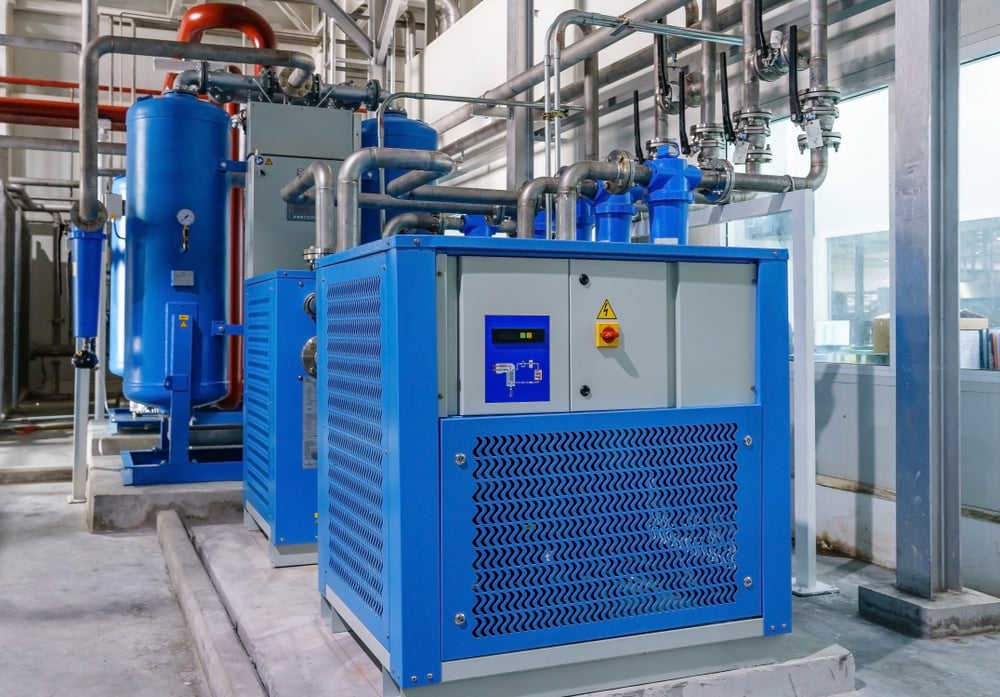
Trusted Techniques for Air Compressor Dryer Repairs That Work Every Time

Maintaining an air compressor dryer in optimal condition requires consistent upkeep and a firm understanding of how these systems operate. One of the most effective techniques is performing regular inspections. Over time, components such as filters, valves, and sensors may become clogged or worn out. By setting a consistent schedule to inspect these parts, you can identify early signs of trouble, such as excessive moisture in the output or unusual noises during operation, which often indicate the need for immediate attention before larger problems develop. Another reliable technique involves thoroughly cleaning and replacing filters. Filters are vital for removing contaminants from the compressed air. When they become clogged, they can cause pressure drops and allow moisture or debris to pass through, affecting downstream equipment. Replacing filters according to the manufacturer’s recommendations or even more frequently in high-demand environments can prevent unnecessary strain on the system and maintain its drying efficiency.

THE DIFFERENCE BETWEEN ADSORPTION AND REFRIGERATED COMPRESSED AIR DRYERS

Checking for refrigerant leaks in refrigerated dryers or desiccant quality in desiccant dryers is another crucial step. In refrigerated models, a refrigerant leak can significantly reduce cooling efficiency, leading to poor moisture separation. For desiccant dryers, the drying material can become saturated or degraded over time, losing its effectiveness. Technicians should routinely verify refrigerant levels or inspect the desiccant condition to ensure the dryer maintains peak performance. Drain system functionality is also critical. Moisture separated during the drying process needs to be properly expelled from the system and a knockout post https://www.unsustainablemagazine.com/essential-air-compressor-components/. A faulty or clogged drain can cause water to back up into the air lines, leading to rust, corrosion, and potential damage to connected tools or machinery. Regular testing and cleaning of the automatic drain valves or manual draining if needed are simple steps that often resolve or prevent issues with water accumulation.

Calibrating temperature and pressure sensors can make a significant difference in performance. Over time, sensors may drift from their original settings, giving inaccurate readings that lead to improper system operation. Regular calibration ensures that the dryer responds correctly to changing air conditions and maintains a stable dew point, which is crucial for preventing condensation in the lines and protecting sensitive equipment. Maintaining a thorough maintenance log can streamline repair and servicing efforts. Keeping detailed records of inspections, part replacements, and any troubleshooting efforts helps identify recurring issues, ensures accountability, and assists in scheduling preventive maintenance. This practice not only extends the life of the dryer but also contributes to a more efficient and reliable compressed air system overall. With these trusted techniques, technicians can confidently keep air compressor dryers operating at peak efficiency every time.

Business

Build a Responsive Support Channel by Leveraging Outsourced Expertise

Building a responsive support channel by leveraging outsourced expertise is a strategic approach that can significantly enhance a business’s customer service capabilities. As customer expectations continue to rise, offering a timely and effective support system becomes crucial for maintaining customer satisfaction and loyalty. By outsourcing support tasks, businesses can tap into specialized knowledge and skills that may not be readily available in-house, allowing them to focus on core operations while ensuring their customers receive prompt and accurate assistance. One of the key advantages of outsourcing customer support is access to a global talent pool. By working with outsourcing partners in different regions, businesses can provide 24/7 support without the need for in-house teams to work around the clock. This ensures that customers across various time zones receive timely responses to their inquiries, improving overall service quality and customer satisfaction. Additionally, outsourced teams can often bring diverse perspectives and cultural awareness to the support process, making interactions with customers more empathetic and effective.

Bisnis Indonesia: Bagaimana Mendirikan Call Center di Semarang

Another benefit is cost efficiency. Outsourcing customer support allows businesses to reduce overhead costs related to hiring, training, and maintaining an in-house support team. By partnering with outsourced experts, companies can avoid the expenses associated with establishing a dedicated support department. Outsourcing also allows businesses to scale their support operations up or down based on demand, providing greater flexibility in managing resources without sacrificing service quality. This cost-effective approach can be especially beneficial for small to medium-sized businesses that may have limited budgets for customer support and view techbullion.com. The use of outsourced expertise also helps businesses stay ahead in terms of technological advancements. Many outsourcing partners specialize in leveraging the latest tools, software, and platforms that enhance the efficiency of customer support. These technologies, such as AI-driven chatbots, CRM systems, and automated ticketing systems, can streamline operations and enable faster issue resolution. By adopting these innovative solutions, companies can offer seamless, multichannel support, whether through live chat, email, or social media, improving customer engagement and overall experience.

Effective communication and collaboration between in-house teams and outsourced partners are essential for a successful support channel. To ensure smooth integration, businesses should establish clear communication protocols and performance metrics. Regular training and knowledge sharing can also ensure that outsourced teams are aligned with the company’s values, brand voice, and specific customer service goals. Continuous feedback loops and performance reviews allow businesses to refine their outsourcing strategy, ensuring that both parties work towards achieving shared objectives. In conclusion, building a responsive support channel through outsourced expertise is a powerful strategy for businesses seeking to enhance customer service without overburdening internal resources. By outsourcing customer support, companies can provide round-the-clock service, reduce operational costs, leverage advanced technologies, and ensure consistent communication with their customers. This approach allows businesses to maintain a high level of service while focusing on their core competencies, ultimately fostering greater customer loyalty and long-term success.

Business

Hydraulic Equipment Functionality With Precision Craftsmanship Service Excellence

chair hydraulic repairHydraulic equipment plays a crucial role in various industries by providing powerful and precise control of mechanical systems through the use of fluid pressure. The fundamental functionality of hydraulic equipment lies in its ability to convert energy from pressurized fluid into mechanical force and motion. This process enables machines to perform tasks that require significant strength and accuracy, such as lifting heavy loads, pressing materials, or operating complex machinery. Precision craftsmanship is essential in the manufacturing and maintenance of hydraulic systems because even the smallest deviations in design or assembly can lead to inefficiencies, equipment failure, or safety risks. High-quality components, carefully engineered seals, and finely tuned valves ensure that the hydraulic equipment operates smoothly, delivering consistent performance under demanding conditions. Service excellence in hydraulic equipment encompasses not only the initial design and fabrication but also ongoing maintenance, troubleshooting, and repair.


Timely and skilled servicing guarantees that hydraulic systems remain reliable and efficient over their operational lifespan. Professionals who specialize in this field are trained to diagnose issues quickly and implement solutions that minimize downtime, prevent costly damage, and extend the equipment’s usability. Through regular inspections, calibration, and replacement of worn parts, the performance of hydraulic machinery can be optimized to meet evolving industrial demands. This proactive approach to service also contributes to safety by preventing leaks, pressure losses, or unexpected breakdowns that could endanger operators or disrupt production. Moreover, the integration of advanced technology and precision craftsmanship elevates hydraulic equipment to a level where complex tasks can be automated with great accuracy. Modern hydraulic systems often incorporate electronic sensors, controllers, and software that work in harmony with the mechanical components and see here. This fusion of hydraulics and digital control enhances the responsiveness and adaptability of machinery, allowing it to perform intricate movements and maintain consistent output quality.

As industries continue to evolve and push the boundaries of what machinery can achieve, the demand for hydraulic equipment that offers both power and precision grows steadily. In addition, sustainability and energy efficiency have become vital considerations in the design and operation of hydraulic systems. Precision engineering helps reduce energy consumption by optimizing fluid flow and minimizing friction and leakage. Service excellence also involves advising clients on best practices for operating equipment efficiently and environmentally responsibly. By maintaining hydraulic machinery in top condition, service providers contribute to reducing waste and improving overall system longevity, which benefits both businesses and the environment. Ultimately, the seamless functionality of hydraulic equipment is a testament to meticulous craftsmanship combined with outstanding service standards. Each component, from pumps and cylinders to hoses and fittings, must meet exacting specifications to ensure the entire system performs harmoniously. The commitment to excellence in manufacturing, installation, and ongoing care transforms hydraulic equipment into reliable tools that empower industries to achieve their goals with confidence. Whether in construction, manufacturing, agriculture, or transportation, hydraulic systems embody the synergy of power, precision, and professional service that drives modern progress.

Business

Durable Pool Coping Enhances Any Swimming Area Design

Pool coping plays a pivotal role in both the functionality and aesthetic appeal of any swimming area. As the edging that surrounds the top perimeter of a pool, coping provides a finished look that ties together the entire landscape design while also serving practical purposes. When constructed from durable materials such as natural stone, concrete, brick, or composite blends, pool coping can significantly enhance the longevity and safety of a swimming area. It offers a smooth and secure transition from the pool deck to the water, reducing the risk of slips and injuries. Durable pool coping is engineered to withstand not just foot traffic and water exposure, but also extreme weather conditions, chemical treatments, and the test of time, making it a wise investment for any pool owner. One of the most important features of high-quality pool coping is its resistance to water and heat. Materials like travertine, limestone, granite, and precast concrete are popular choices because they remain cool to the touch under direct sunlight and resist erosion and fading caused by pool chemicals and UV rays.

Hardscaping Services

This thermal regulation helps keep the poolside comfortable for bare feet while ensuring the coping maintains its color and integrity year after year. Additionally, properly installed coping helps prevent water from seeping behind the pool shell, a common issue that can lead to long-term structural damage. By directing splashed water back into the pool or into proper drainage channels, coping acts as a barrier that protects both the pool and surrounding areas. From a design perspective, durable pool coping adds a refined and cohesive visual element. It can be customized in a variety of styles, textures, and colors to complement both traditional and contemporary outdoor aesthetics. Whether one prefers the rustic charm of tumbled stone or the clean lines of poured concrete, the choice of coping can harmonize the pool with the broader landscape design. Rounded bullnose edges offer a soft, classic look and a comfortable grip for swimmers, while straight or square edges provide a modern and minimalist feel.

The versatility of materials and finishes allows homeowners and designers to create a personalized space that reflects their unique taste and lifestyle. Durable pool coping also makes maintenance easier. Materials that are dense and non-porous are less likely to stain, crack, or chip, which means less frequent repairs and a cleaner appearance over time. Regular cleaning with mild soap and water is typically all that is needed to keep it looking new check here. For added protection, some coping materials can be sealed to repel moisture and reduce surface wear. In essence, pool coping is far more than just an aesthetic addition. Its durability enhances safety, protects the structural integrity of the pool, and contributes to a more enjoyable swimming environment. Choosing the right material and design for pool coping not only boosts curb appeal but also ensures that the swimming area remains functional and beautiful for many seasons to come.

Business

Your Marketing Game With Ready-To-Sell PLR Products For Niche Audiences

In today’s fast-paced digital world, marketing strategies need to be adaptable and targeted. One of the most efficient ways to quickly scale your business and reach specific customer bases is by utilizing ready-to-sell Private Label Rights PLR products. These products, designed for niche audiences, allow entrepreneurs to tap into established markets without the need to create content from scratch. By offering products that already cater to defined demographic, businesses can streamline their operations, boost their offerings, and focus their efforts on marketing rather than development. PLR products provide an excellent foundation for businesses looking to serve niche audiences. Whether it is in health, fitness, self-improvement, or any other specialized market, there are PLR products designed to meet the unique needs and preferences of these groups. Instead of spending time and resources building products from the ground up, entrepreneurs can purchase PLR materials that are ready for customization, branding, and distribution. This is especially advantageous for small businesses and solopreneurs who may not have the resources to create content themselves.

The versatility of PLR products is another key benefit. These products can come in many forms—eBooks, courses, reports, videos, graphics, and more. This diversity allows marketers to choose the type of product that resonates most with their audience. For instance, a wellness coach could opt for health-related eBooks, while a business consultant might choose reports or workshops tailored to entrepreneurs. By selecting the right type of PLR product, marketers can engage their audience in ways that feel personalized and valuable, leading to stronger customer relationships and increased sales. One of the key advantages of ready-to-sell PLR products is the speed at which they can be launched into the market. Traditional product creation can take months or even years, but with PLR, entrepreneurs can have a fully branded product ready for sale within days. This speed to market is essential in industries where trends change rapidly, and businesses need to be quick to capitalize on new opportunities. By utilizing PLR products, businesses can respond to shifting demands faster than competitors who may still be in the development phase.

Furthermore, PLR products often come with the added benefit of being highly cost-effective. Creating original content can be a costly endeavor, especially when factoring in development, design, and testing. In contrast, purchasing PLR products eliminates many of these expenses. The cost of PLR products is typically far less than that of creating an entirely new product, making it an affordable option for businesses of all sizes. With the ability to scale up quickly without incurring significant costs, entrepreneurs can maximize their profitability while minimizing financial risk. To make the most of ready-to-sell PLR products, businesses must focus on customization. Simply rebranding a PLR product without adding value may yield the best results and learn this here now https://plrdigitalproducts.net/. The most successful entrepreneurs take the time to personalize the product by aligning it with their unique brand and audience. This might include adding personal insights, updating the content, or offering additional resources that complement the original PLR material. By putting in this extra effort, businesses can create a product that feels fresh, relevant, and authentic to their target market, ensuring long-term success.

Business

Create a Compelling Car Ad – Writing and Photography Tips to Capture Buyer Attention

Creating a compelling car ad is crucial for attracting potential buyers and standing out in a crowded market. Start with an engaging headline that highlights the vehicle’s key selling points. Use descriptive language to convey the car’s features and benefits, such as its condition, mileage, and unique selling points. For instance, instead of just saying 2015 Honda Accord for Sale, try Immaculate 2015 Honda Accord with Low Miles and Premium Features. In the body of the ad, provide a comprehensive yet concise overview of the vehicle. Begin with the basics: make, model, year, and mileage. Follow this with details about its condition, including any recent maintenance or upgrades. If the car has special features, such as a sunroof, navigation system, or upgraded sound system, be sure to highlight these. Mention any unique aspects of the car’s history, like a single owner or low accident rate, which can add value.

Selling CarWhen writing, focus on the positive aspects of the car while being honest about any imperfections. Transparency helps build trust with potential buyers. For example, if the car has minor scratches or needs a new set of tires soon, mention it upfront. This approach can prevent misunderstandings and lead to smoother negotiations. Photos are just as important as the written content in an ad. High-quality images can make a significant difference in attracting attention. Start with a clear, well-lit exterior shot of the car from multiple angles, including the front, sides, and rear. Ensure that the photos showcase the car’s overall condition and check this site https://www.nissanboerne.com/inventory/new-nissan-sentra/. Interior shots should highlight key features like the dashboard, seats, and any technology or amenities. If possible, include images of the engine bay and trunk to provide a complete view. Pay attention to the setting of your photos. A clean, uncluttered background helps the car stand out.

Natural light works best for capturing the car’s true color and details, so aim to take photos during the day. Avoid using flash or taking pictures in dim lighting, as this can distort the car’s appearance. Additionally, consider including a short video tour of the car. This can provide a dynamic view of the vehicle, allowing potential buyers to see it in action and get a sense of its condition and features. A video can also address common questions about the car’s functionality and appearance, potentially speeding up the decision-making process for buyers. Finally, make sure to include your contact information and be responsive to inquiries. An engaging, well-presented ad with excellent photos and clear communication can significantly increase your chances of making a successful sale. By combining strong writing with high-quality visuals, you create an ad that not only captures attention but also builds trust and interest in the vehicle you are selling.